How to Evaluate Sustainable Features in Australian Display Homes
Evaluating Energy Efficiency
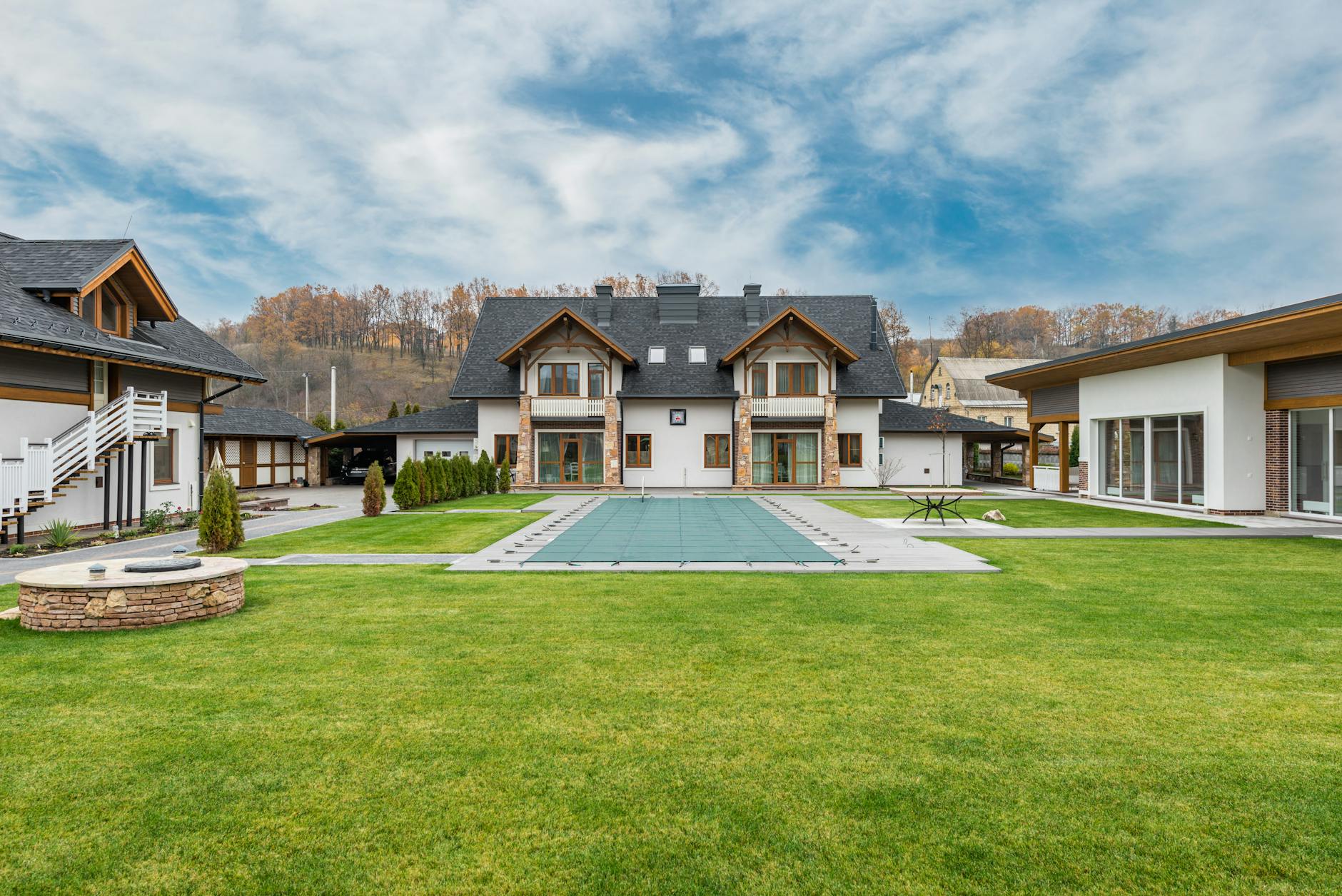
In the world of sustainable construction, energy efficiency stands as a pillar of environmental responsibility. One effective strategy is to explore display homes for sale Melbourne to gauge modern energy-saving innovations personally. These homes often incorporate display homes Sunbury and display homes Tarneit showcasing the latest in energy-efficient designs. By focusing on energy efficiency, you can ensure a healthier environment and reduced utility costs.
Inspecting Insulation Levels
To inspect insulation levels effectively, pay particular attention to both the material used and its installation quality. In Gisborne, for instance, the Botanic Gardens adopt thermal mass insulation, which provides an excellent balance between maintaining indoor comfort and conserving energy. For those seeking sustainable solutions, using R-value as a guide can optimise thermal resistance, ultimately reducing heating and cooling demands.
Analyzing Window Glazing
The efficiency of a home can significantly improve with proper window glazing. An efficiently glazed window not only enhances aesthetic appeal but also manages solar heat gain and loss. Double glazing, often found in eco-friendly exhibits like those at Melbourne's Scienceworks Museum, is especially effective in mitigating temperature variations. Selecting windows with low-emissivity coatings further optimizes energy retention.
Assessing Solar Panel Installations
Solar panels represent a sustainable solution to traditional energy consumption. When evaluating installations, consider the angle and orientation to maximize exposure. In areas like Calder Freeway, sustainable developments demonstrate optimal solar panel placements, showcasing potential annual savings. Evaluating panel efficiency and durability, coupled with a well-designed grid integration system, ensures long-term benefits.
Water Conservation Features
Low-Flow Fixtures
Incorporating low-flow fixtures in your home is an effective way to conserve water. These fixtures are designed to reduce water consumption by limiting the flow rate while maintaining performance. For example, low-flow showerheads and taps significantly decrease water use without sacrificing comfort. For those considering house and land package deals, verifying that these eco-friendly features are part of the deal can save you time and effort later.
Rainwater Harvesting Systems
Rainwater harvesting systems collect and store rainwater for use in irrigation, flushing toilets, or even laundry, offering a sustainable water source, especially in regions near Gisborne Botanic Gardens where rainfall is abundant. These systems not only contribute to water conservation but also help reduce your water bills. The systems can be integrated into new builds or retrofitted into existing structures, making them versatile options for all property investments.
Water-Smart Landscaping
Landscaping that utilises native flora and drought-resistant plants is key to a sustainable garden. These plants require less water and are typically more resilient to local climate conditions. Whether looking at existing properties or considering mt atkinson display homes, exploring the landscape’s design for water efficiency can enhance the home's eco-contribution. This ties into sustainable living by creating habitats that use significantly less water than traditional gardens.
Exploring these water conservation features contributes to greener living environments and aligns with the overarching goal of enhancing property investments sustainably.
Building Materials and Design
Sustainable Material Choices
Choosing the right materials is essential for sustainable building. Opting for sustainable material choices, such as recycled steel or reclaimed wood, can dramatically reduce the ecological footprint of new constructions. Notably, many Point Cook display homes have integrated such materials, demonstrating their potential in mainstream architecture. When considering options, look for certifications like FSC or Green Seal, as these assure the sustainability and minimal environmental impact of the resources used.
Passive Design Principles
Utilising passive design principles is another key element. Such designs leverage natural resources like sunlight and wind to regulate indoor temperatures, reducing the need for artificial heating and cooling. For example, orienting buildings to harness the winter sun while avoiding summer heat can significantly cut energy consumption. Techniques such as thermal mass, natural ventilation, and strategic shading can enhance energy efficiency and comfort in display homes Gisborne. The area's move towards sustainable residential projects aligns with such principles, mirroring developments along the Calder Freeway.
Innovations in Construction
Innovation in construction is continuously evolving, promoting eco-friendly techniques and materials. This includes the adoption of prefabricated panels that speed up construction times and minimise waste. Technologies like 3D printing allow for precise material usage and potentially lower carbon emissions. Observing eco-friendly exhibits at Melbourne's Scienceworks Museum can provide insights into the technological advancements shaping our built environments. By staying informed and adopting these innovations, you can inspire more sustainable choices in construction projects.
Indoor Environmental Quality
Ventilation Systems
As a green architecture specialist, one cannot overstate the importance of proper ventilation systems when it comes to enhancing indoor environmental quality. In my projects, especially those on the edges of Calder Freeway sustainable developments, effective ventilation systems ensure a consistent flow of fresh air. This is not only critical for health and comfort but also reduces the need for air conditioning. Considering mechanical ventilation with heat recovery (MVHR) systems could be particularly advantageous. These systems not only purify indoor air but also retain the heat, making them energy-efficient.
Non-Toxic Finishes
Ensuring the use of non-toxic finishes is another essential practice. Many traditional paints and sealants emit volatile organic compounds (VOCs), which can affect both health and the environment. When evaluating options, I focus on natural or low-VOC products. It's a beneficial choice for those assessing new builds in areas such as wollert display homes. Suppliers often label these products, so it can be a straightforward selection process once you're aware of the right certifications to look out for.
Natural Light Optimization
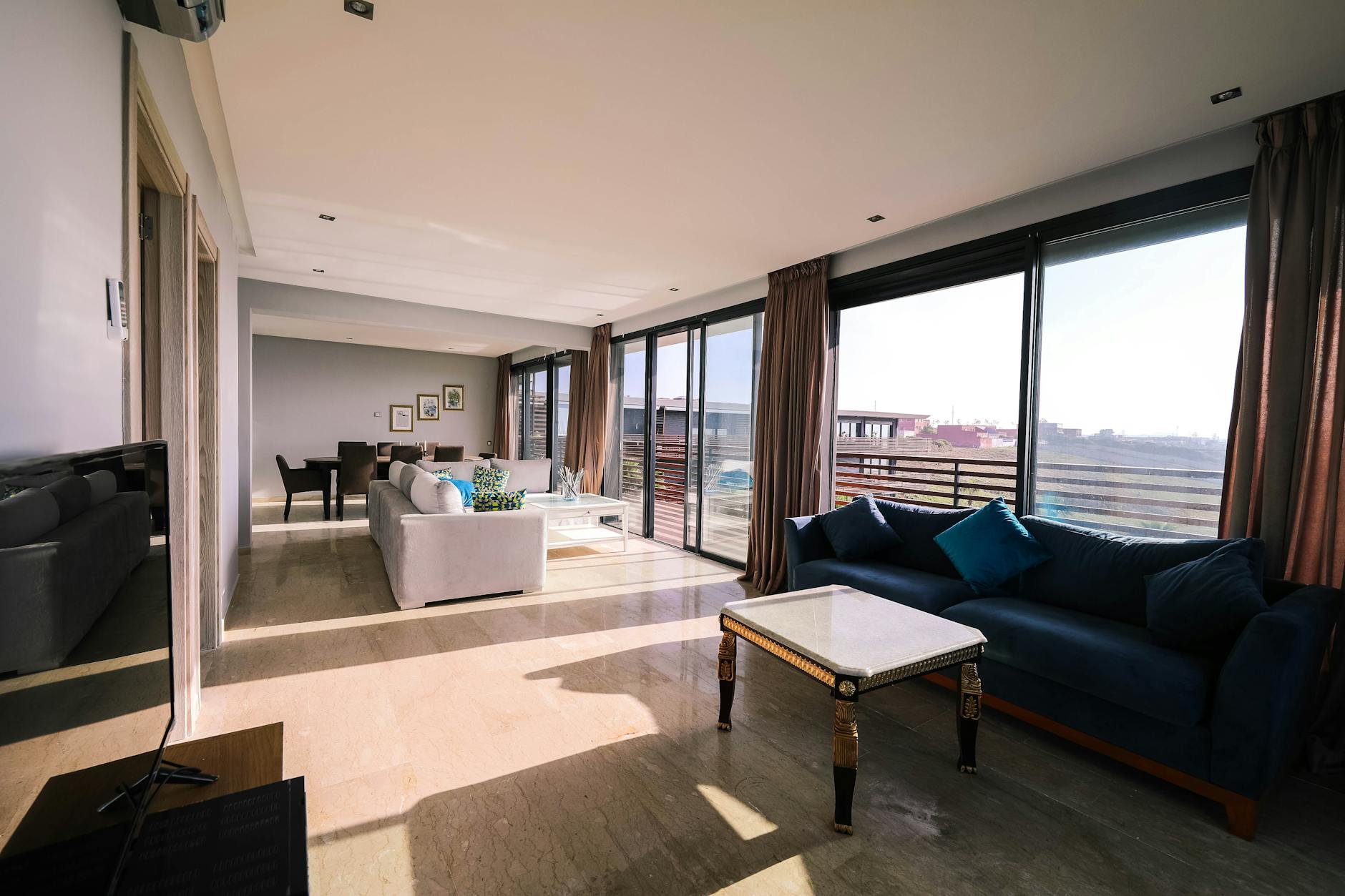
Finally, optimizing natural light can significantly enhance a building's ambiance, reducing the need for artificial lighting. By strategically placing windows and other openings, we can harness sunlight effectively. Often overlooked in developments north of Melbourne, like display homes craigieburn vic, this approach can transform interior spaces. Consider consulting eco-friendly exhibits, like those at Melbourne’s Scienceworks Museum, for innovative ideas in light optimization.
Common Missteps in Eco-Friendly Building
Overlooking Long-Term Benefits
In my experience with sustainable construction, a significant error often made is failing to recognise the long-term benefits that green buildings offer. It's crucial for building professionals to consider how initial investments in efficient systems, like those seen in the eco-friendly exhibits at Melbourne's Scienceworks Museum, can translate into considerable savings over time. Prioritising lower upfront costs might hinder the potential for achieving more sustainable outcomes. Consider the long-term energy savings of investing in solar system bank Australia as a prime example.
Ignoring Integration Potential
Another pitfall is disregarding the seamless integration of sustainable elements. Whether it's merging rainwater harvesting setups with existing structures along the Calder Freeway sustainable developments or employing passive design principles, integration should not be overlooked. Effective use of integrated systems enhances performance and sustainability simultaneously. For instance, pairing high-performance insulation with solar panel setups can optimise energy usage, leading to better outcomes for both occupants and the environment.
Underestimating Maintenance Needs
Lastly, underestimating the maintenance requirements of sustainable buildings is a pervasive oversight. Ensuring sustainable solutions are properly maintained is vital for their longevity and effectiveness. From routine checks on non-toxic finishes to optimising ventilation systems within Gisborne Botanic Gardens' frameworks, maintenance keeps facilities running efficiently. Reliable upkeep strategies will maximise the potential of features like low-flow fixtures, enhancing water conservation without sacrificing functionality.